


Vehicular Health Monitoring Digital Twin PoC
ICANIO built an AI-powered healthcare record digitization platform that cut manual data entry by 60% and improved patient record accessibility 4x.
TELEMEDICINE . PATIENT PORTAL . HEALTHCARE AI
This digital healthcare platform unifies patient records, telemedicine, EHR integration, billing automation, wearable health tracking, and AI insights for providers across India.
A digital healthcare platform unifies patient records, telemedicine, EHR integration, billing, and AI insights into one system, replacing fragmented care coordination with connected, accessible care. ICANIO built this digital healthcare platform for providers across India, cutting administrative workload by 40% and expanding telehealth access to rural and remote patients.
Patients faced long waits, fragmented health records, high administrative costs, limited rural access, security concerns, and low engagement, reducing healthcare efficiency, transparency, and quality of care across hospitals and clinics. ICANIO’s partner was facing exactly that gap: long wait times causing delays in appointments and consultations compounded by limited accessibility for patients in rural and remote areas, fragmented health records that prevented unified patient information access, high administrative costs from billing, insurance, and manual processes, and data security concerns that reduced patient trust and regulatory compliance.
ICANIO addressed this by building a digital healthcare platform rather than a series of disconnected tools. The objective was to give patients a unified portal for records, prescriptions, and history, add telemedicine for video consultations, integrate EHR and EMR systems across hospitals, labs, and clinics, automate billing and insurance claims, connect wearable health tracking from Apple Health, Fitbit, and Garmin, and layer in AI insights for preventive care and personalized treatment plans.
The result was 25% faster patient service delivery and a 40% reduction in administrative workload, with expanded telehealth access, 99% enhanced trust and compliance, new revenue growth opportunities, and data-driven healthcare insights.
“A patient’s health record scattered across three different clinics is not a medical history, it is a set of clues a doctor has to reassemble from scratch at every visit.”
Patients faced long waits, fragmented health records, high administrative costs, limited rural access, security concerns, and low engagement, reducing healthcare efficiency, transparency, and quality of care across hospitals and clinics.
Long wait times caused delays in appointments and consultations, and limited accessibility compounded the problem for patients in rural and remote areas.
Fragmented health records prevented unified patient information access, leaving providers working from an incomplete picture at every visit.
High administrative costs resulted from billing, insurance, and manual processes, adding overhead that never touched actual patient care.
Data security concerns reduced patient trust and regulatory compliance, putting both patient confidence and legal standing at risk.
A lack of engagement caused patients to ignore health management, undermining the preventive care that keeps small issues from becoming serious ones.
Icanio implemented a digital healthcare platform with unified patient records, telemedicine, EHR integration, billing automation, wearable health tracking, and AI insights to enhance accessibility, engagement, and preventive care. The solutions included:
01
The patient portal provided unified records, prescriptions, and history, giving patients and providers one authoritative view of care.
02
Telemedicine offered video consultations for convenient doctor access, closing the distance gap for patients who couldn’t easily reach a clinic.
03
EHR/EMR integration connected hospitals, labs, and clinics seamlessly, so patient data moved with the patient instead of staying siloed.
04
The billing module simplified insurance claims and reduced manual errors, cutting the administrative overhead that never touched patient care.
05
Health tracking wearables from Apple Health, Fitbit, and Garmin brought everyday health data directly into the patient’s record.
06
AI insights enabled preventive care and personalized treatment plans, turning patient data into action instead of just archived history.
This digital healthcare platform delivered outcomes across every dimension of the original care-coordination problem, converting fragmented, low-trust patient interactions into fast, secure, engaged care.

Performance improved through ICANIO’s AI-driven optimization, delivering measurable operational gains while maintaining financial accuracy.
Patient service delivery experience
Administrative workload overhead
Telehealth access and reach
Trust, security & compliance
Revenue growth opportunities
Healthcare insights and reporting
01
Health tracking wearables from Apple Health, Fitbit, and Garmin gave the AI insights engine real, continuous data to work from, which is what let preventive care and personalized treatment plans move beyond generic advice.
02
High administrative costs from billing and insurance weren’t just a financial problem, they were a capacity problem. Automating claims processing is what let staff time shift back toward patients instead of paperwork.
03
Video consultations alone would not have solved rural access if the doctor on the call still couldn’t see the patient’s full history. Pairing telemedicine with a unified patient portal is what made remote care actually reliable.
Long wait times and fragmented records might have been tolerable for a single clinic, but for providers serving patients across urban and rural India, they had become a real barrier to access, trust, and quality of care. This engagement demonstrates that a single digital healthcare platform can resolve accessibility, engagement, and compliance gaps within one structured programme rather than three separate initiatives.
By unifying patient records, adding telemedicine and EHR integration, automating billing, connecting wearable health tracking, and layering in AI insights, ICANIO helped these providers reach 25% faster patient service delivery and a 40% reduction in administrative workload. The telemedicine platform India, EHR integration India, and patient portal software delivered through this engagement are the foundation every future patient this platform serves will run on.
A digital healthcare platform unifies patient records, telemedicine, billing, and AI insights into one system, which Indian providers need to close accessibility gaps for rural patients and replace fragmented, manual administrative processes.
A telemedicine platform India gives patients video consultation access to doctors regardless of location, directly addressing the limited accessibility that previously affected patients in rural and remote areas.
EHR integration India connects hospitals, labs, and clinics seamlessly, so patient data moves with the patient instead of staying fragmented across separate systems.
Patient portal software centralizes records, prescriptions, and history while automating billing and insurance claims, which is what cut administrative workload by 40% in this engagement.
Health tracking wearables from Apple Health, Fitbit, and Garmin feed continuous patient data into the platform's AI insights engine, enabling preventive care and personalized treatment plans instead of generic recommendations.
This digital healthcare platform delivers 25% faster patient service delivery and a 40% reduction in administrative workload compared to the previous manual, fragmented process.
From bold ideas to breakthrough execution – our case studies showcase how we transform business challenges into innovation-led success stories.
ICANIO built an AI-powered healthcare record digitization platform that cut manual data entry by 60% and improved patient record accessibility 4x.
ICANIO built an AI-powered healthcare record digitization platform that cut manual data entry by 60% and improved patient record accessibility 4x.

ICANIO built a digital healthcare platform integrating patient records, telemedicine, EHR, billing, wearables, and AI insights, reducing administrative workload by 40% and improvin

ICANIO built a healthcare backend engineering platform that delivered services 2x faster, reduced operational risk by 30%, and improved scalability, reliability, and integration.
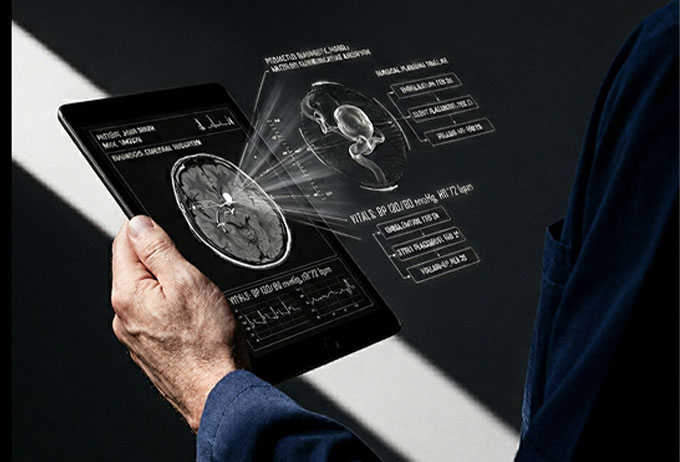
ICANIO built an AI-powered healthcare record digitization platform that cut manual data entry by 60% and improved patient record accessibility 4x.

ICANIO built a multi-tenant LLM fine-tuning pipeline on Azure OpenAI with isolated client models, automated DeepEval quality gates, MLflow tracking, and complete training lineage.
Quick Links
Careers
Internship
Contact Sales
© 2025
Icanio - All rights reserved.
