Scalable Multi-Tenant SaaS Platform
Icanio transformed a scalable, multi-tenant SaaS platform with responsive UI, modular payroll workflows, secure role-based access, and automated compliance and employee management

Most AI initiatives start in a playground. You use a vector database, a popular LLM, and some clean sample data. In this vacuum, the “Magic” happens easily. But this creates a mirage of readiness.
The Prototype Trap
In a PoC, “Accuracy” is the only KPI. If the chatbot answers a question correctly 80% of the time, we celebrate. But in production, an 80% success rate is a 20% liability rate. Engineering leaders often fail here because they focus on the Model rather than the System.
The Hidden Costs of “Wrapped” AI
Many enterprises fall into the trap of just “wrapping” an API. While this works for five users, it collapses under enterprise load. When you scale, you aren’t just paying for tokens; you are paying for latency, rate-limiting management, and the massive infrastructure required to ensure that a 30-second LLM hang doesn’t crash your entire front-end UI.
When you move from a controlled pilot to a live environment, the physics of your application changes. I categorize these shifts into three pillars: Load, Risk, and Context.
From Static to Fluid Load
In a PoC, you control the inputs. In production, users are unpredictable. They will “jailbreak” your prompts, ask nonsensical questions, or hit the API 500 times a minute. Scaling requires a robust Orchestration Layer that can handle queuing, caching (to save costs), and graceful degradation when the LLM provider experiences downtime.
The Risk of “Silent Failures”
Traditional software either works or throws an error. AI fails “silently.” It gives a confident answer that is factually wrong (hallucination). Going live means building an Evaluator Framework—a second layer of AI or rules-based logic that monitors the output of the first before the user ever sees it.
To bridge the gap, we must stop thinking about “The AI” and start thinking about AI Services. At Icanio, we advocate for an architecture where the AI is not a monolith but a set of integrated services aligned with your existing business logic.
The “Four Pillars” of Scalable AI Architecture
To illustrate this, let’s look at a project involving a global recruitment platform.
The PoC: They built a tool that could summarize a PDF resume using GPT-4. It worked for 10 resumes at a time.
The Scaling Challenge: They needed to process 50,000 resumes daily, match them against 5,000 job descriptions, and ensure zero bias—all while keeping costs under $0.05 per match.
How we solved it:
We didn’t just “use a bigger model.” We built a multi-stage pipeline:
The Result: We reduced latency by 70% and cut projected token costs by 85%, moving the project from a “cool demo” to a core, profitable business line.
In production, “accuracy” is too vague. We help our partners track these four metrics to ensure the system is actually healthy:
Metric | PoC Target | Production Target (Enterprise Grade) |
Latency (TTFT) | N/A | < 200ms (Time to First Token) |
Cost per Transaction | Ignored | Must be < 10% of the value created |
Hallucination Rate | “Low” | < 1% on “Ground Truth” data |
User Adoption | Stakeholders | > 60% Daily Active Usage in target group |
If you are an engineering leader, your job isn’t to find the “best” model. The models change every week. Your job is to build the Platform that makes the model irrelevant.
Scaling AI is about building the infrastructure that allows you to swap a model out, monitor its performance in real-time, and protect your enterprise data. It’s an operational challenge. You need a partner who understands the “boring” parts of AI—the logging, the security, the integration, and the cost management.
That is where true ROI lives.
We implement a "Guardrail" layer. This is a set of deterministic checks and "small-language-model" evaluators that scan the AI's response for prohibited content or factual inconsistencies before it hits the UI.
Through Semantic Caching and Model Routing. We don't use the most expensive model for every task. We route simple tasks to cheaper models and only "escalate" complex queries to high-reasoning models.
Icanio transformed a scalable, multi-tenant SaaS platform with responsive UI, modular payroll workflows, secure role-based access, and automated compliance and employee management

Icanio integrated ACE ERP with MagOffice using n8n, enabling automated workflows, real-time data syncing, centralized management, and improved operational efficiency across retail
Icanio developed a centralized Church CRM platform to streamline member management, event coordination, staff oversight, and pastoral administration with dashboards, attendance tra
Icanio developed Ranger Fusion and Shengel to digitize corporate and industrial operations, streamlining HR, payroll, workforce tracking, and site management through mobile apps wi
Icanio built a SaaS Internal Employee Portal centralizing HR, Finance, and Project operations, streamlining onboarding, training, evaluations, and providing real-time dashboards to
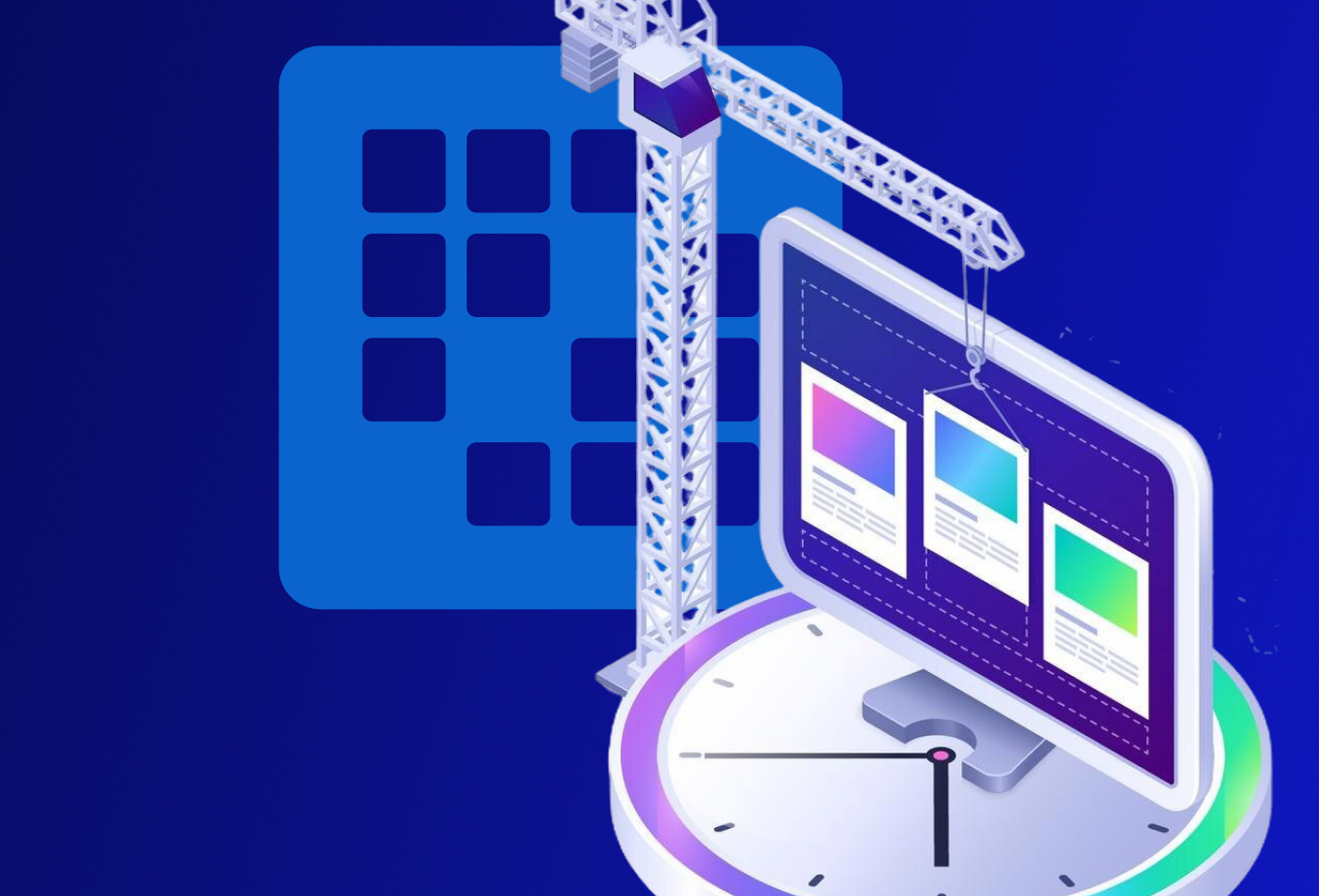
Content shouldn’t slow your website down. Automate updates, events, and layouts with a flexible content platform that empowers teams to publish faster and manage digital experien
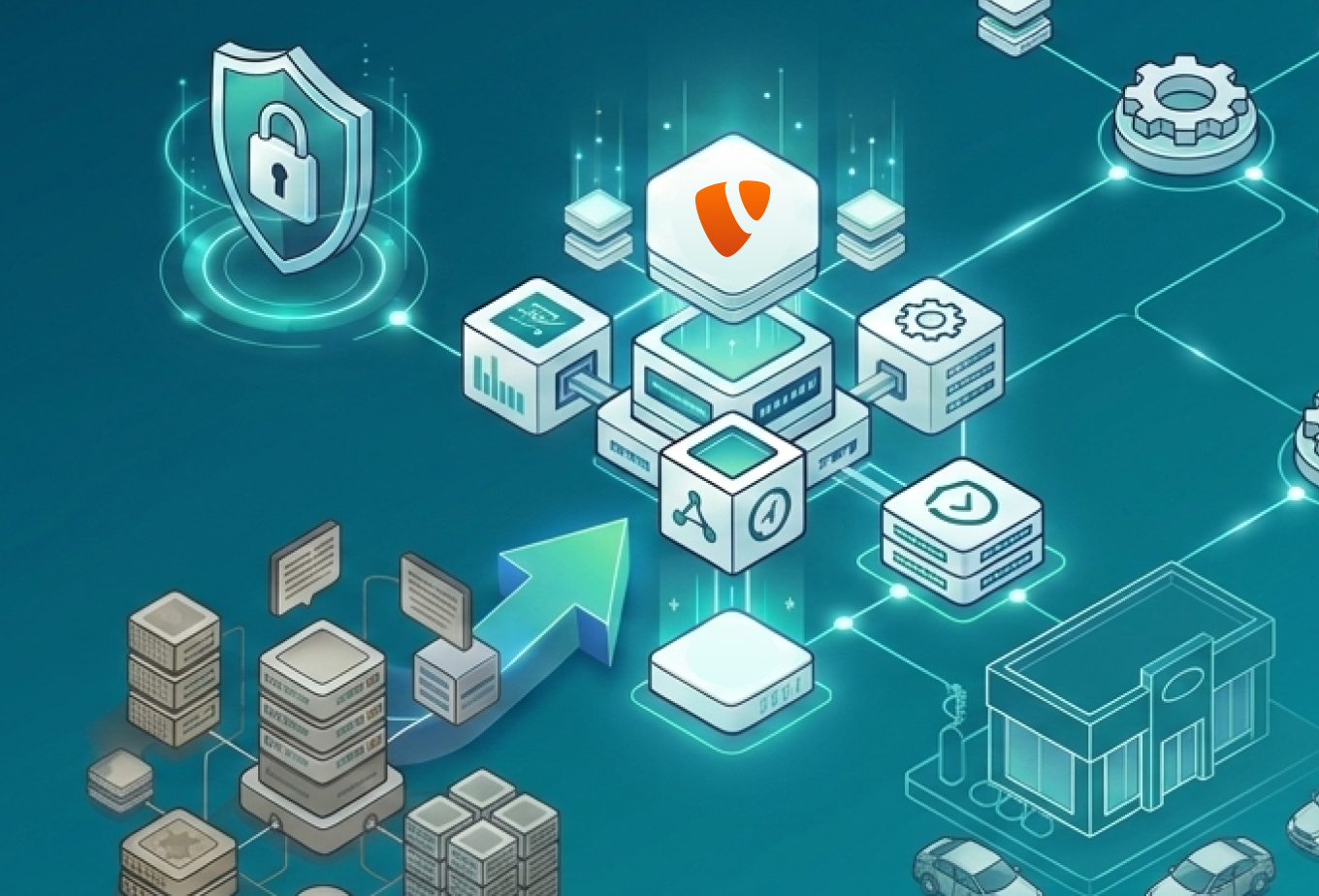
From legacy limitations to cloud-native performance—this TYPO3 evolution delivers automated CI/CD, enterprise security, and mobile-first design to power scalable digital experien

Swipe, match, and get hired. This AI-driven mobile job platform personalizes job discovery, ranks best-fit roles, and connects candidates with employers instantly making job search

Manage properties smarter with a cloud-native platform that automates rent collection, maintenance tracking, and financial reporting—giving managers real-time visibility across e

What insights are hidden inside your enterprise data?
See how our Data & AI solutions for scalable digital products.
© 2025